24/08/2016.
Dreamers
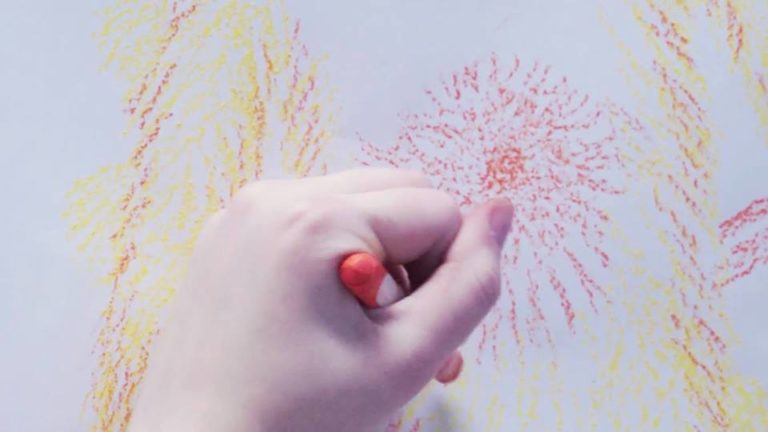
In her artistic practice, Maja Hodošček regularly collaborates with high-school students, aiming to use micro interventions to infiltrate the barely permeable tissue of educational institutions. Proceeding from a perception of schools as one of the institutions defining the dominant knowledge, the artist primarily addresses the students since they are the ones expected to embrace this knowledge unconditionally. She is interested in the students as thinking subjects, which is why she moderates only the initial content and the framework captured by the camera, while the students are in charge of the process itself and the specific reactions. Through the students' active participation and use of video, the artist seeks to increase the dynamism of the field of education, which is generally perceived as a rigid system defined by a multitude of rules.
The exhibition Dreamers presents the works that further develop the artist's attempts to discover new ways of articulating the ideas and meaning arising from the dominant language.
The video What is Community? (2016) is a continuation of the work Dreaming Society initiated at the exhibition We Need a Title at Škuc Gallery.[1] The work consisted of a series of workshops in which the participants defined their own reflexions
08/07/2016.
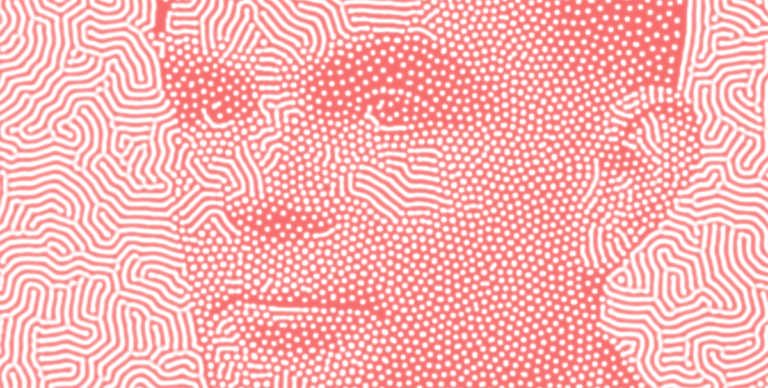
Re-Making / Re-Mixing History project deals with innovators and scholars from Galileo to Alan Turing, observing them through hybrid art and hacker/maker culture, and consists of a series of separate exhibitions with the following themes: mechatronics, kinetics, robotics, device_art, interaction design, BIOart.
Re-Making / Re-Mixing History deals with scientists renown as pioneers of their fields, but which due to the spirit of times in which they lived were persecuted, obstructed in their work, imprisoned, forced to emigrate or even deprived of life. Artist and philosophers throughout history were often viewed as heretics and opponents of the system in which they lived, but they did not stay alone in the fight for progressive ideas. Scientists and innovators also contributed by defending their inventions, claims or beliefs. On countless occasions all professions mentioned were embodied in one person, so a blend of art, culture and science is no stranger to the history of civilization. These forms of creativity constantly permeate throughout the history, thus giving the cultural history of science and art history the equal importance.
Those scientists, often innovators, who went ahead of social circumstances by sacrificing many aspects of their lives for greater good, inspired Radiona's interdisciplinary collective. This is
01/06/2016.
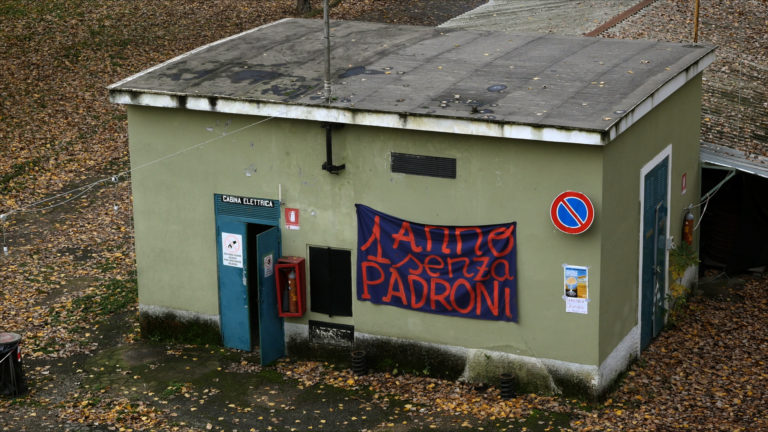
The artist Oliver Ressler will present his work on the opening and he will be joined by Dragutin Varga, union representative of Regional industrial trade union and president of the workers steering committee in factory ITAS - Prvomajska d.d. from Ivanec (Croatia), one of the prominent advocates for taking over the factory.A 3-channel video installation by Dario Azzellini and Oliver Ressler97 min. (combined)2014 – 2015The economic crisis that began in 2007-8 led to layoffs on a massive scale, leaving thousands of newly unemployed workers with little hope of another job. Their response put workers’ control back on the agenda in Europe. For many yearsbeforehand, factories had been occupied and recuperated almost exclusively in Latin America.In most cases an occupation is not a deliberate step towards workers' control but a means of workers' struggle against the closure of a production site or company or the relocation of production to another country. The struggles often fall apart without any concrete results. “Occupy, Resist, Produce” focuses on the rare, better organized cases where the purpose of the struggle is to bring production under workers’ control.The workers do more than protest, they take the initiative and become protagonists, building horizontal social relations on the
26/05/2016.
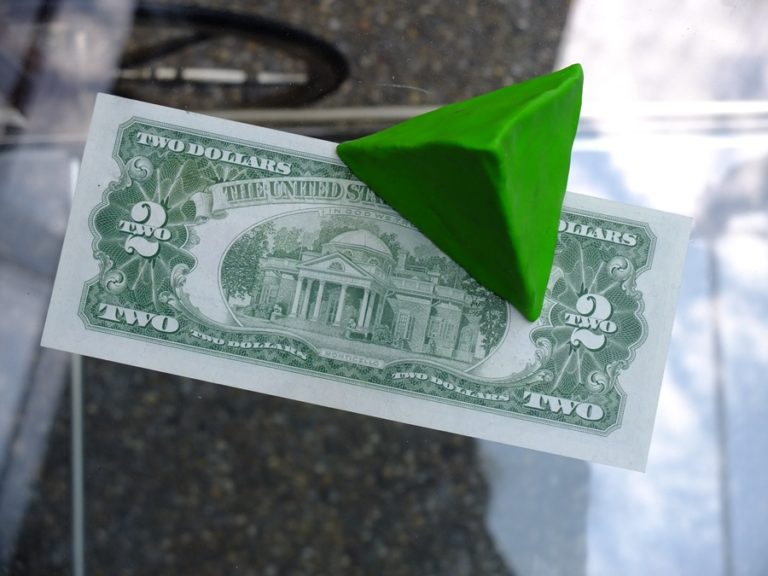
The exhibition thus points to the deleted 'other' of contemporary and historical practices of constructing the visible. Continuous reaccentuation of the Deleted produces the eerie effect of a mundane transgression, of witnessing the representation of the unrepresented.Suffused with speculation and commentary, technical drawings and architectural models invite viewers' eyes to rest within the comforting space of invention, marked by oversight and omission. The 18th century plantation Monticello is resurrected within the digital realm, hinting at the dubious possibility of a historical continuity of a war on the perceptibility of labour. Digital network technology enters into a material communion with vintage service carts and financial signifiers.These juxtapositions of historical and digital materials seduce and irritate the beholder, until contemporary practices of seeing and unseeing emerge in their historical specificity.Under the newly sceptical gaze, existing visual regiments are destabilized, offering a glimpse at the possibility of alternative systems of distributing and reassembling the visible.Artist talk with Elli Kuruş - Sunday, 29th of May at 6 pm.The exhibition is open until Sunday.Working hours: 26th of May 12-19, 27th and 28th of May 15-20.Elli Kuruş is a Leipzig-based collective artist, 44% complete. Her practice spans artistic and curatorial approaches that converge into installations, videos,