

17/06/2020.
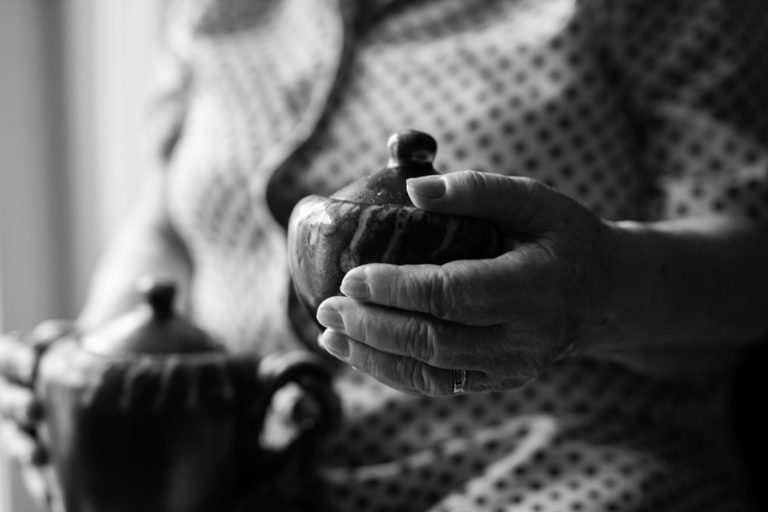
Through the glass ceiling, you can see the sky filled with clouds. Simultaneously, the ceiling is both an impassable barrier and a fragile, yet sturdy, protection from the elements. This ceiling is the metaphor for a woman which is, at first glance, in 21st-century society, completely free; however, her true freedom is unreachable due to this almost invisible obstacle. On the other hand, she proves every day that she is much stronger than the society assumes. Social roles are filled with stereotypes - a woman is a housewife, mother, wife. She nurtures, comforts, and listens. Female roles are passive; almost inseparable from terms like home, household, and family. “Female history” is also (with few exceptions) closely connected with the narrow parts of everyday life. Female history is not written by women. As gender theory and feminism show, female history is written by men - those who are, traditionally, presumed to be in the role of leader. Female experiences are marginalized, especially in societies with deeply rooted patriarchal values. The 20th and 21st centuries have brought more rights and liberties to women; but realizing true gender and sex equality remains on the distant horizon. “Od5Do95” is a multimedia artistic project which
01/05/2020.
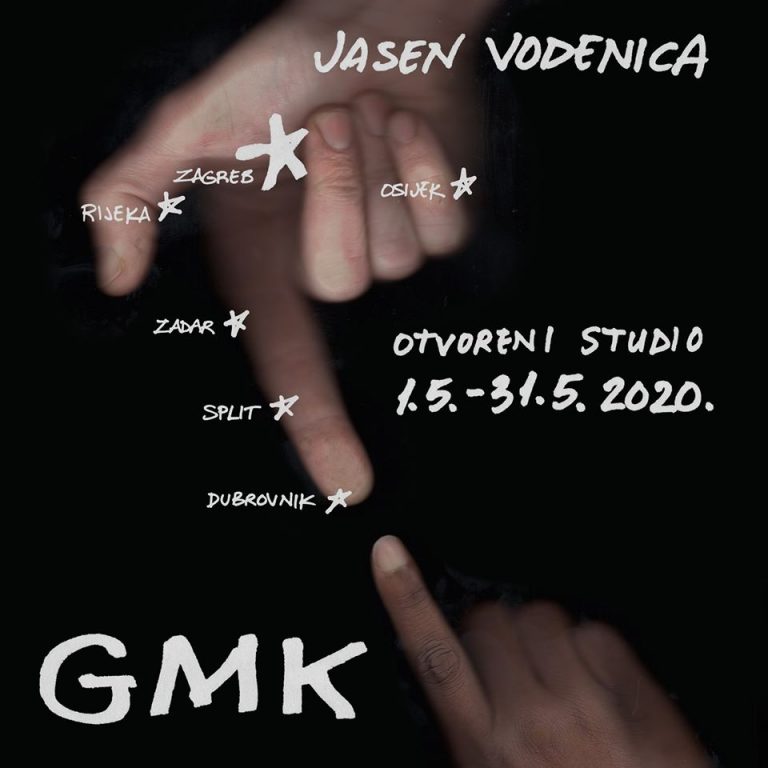
This research deals with the weird intersections of rare metals and all our lives in these entangled times of ubiquitous networked media. It concerns the hegemonic neocolonial relations of contemporary neoliberal globalization (that is, today’s corporate practices of so-called development and sustainability), through extraction of geological materials that are mined from the earth and re-worked into machines that define our technical media culture. Such sites where material turns gradually closer to media are scattered across the globe; however, I am researching only one such supply chain, and its real conditions; that of Tantalum. My focus is in Rwanda, as well as Macedonia, and the space in between.
01/04/2020.
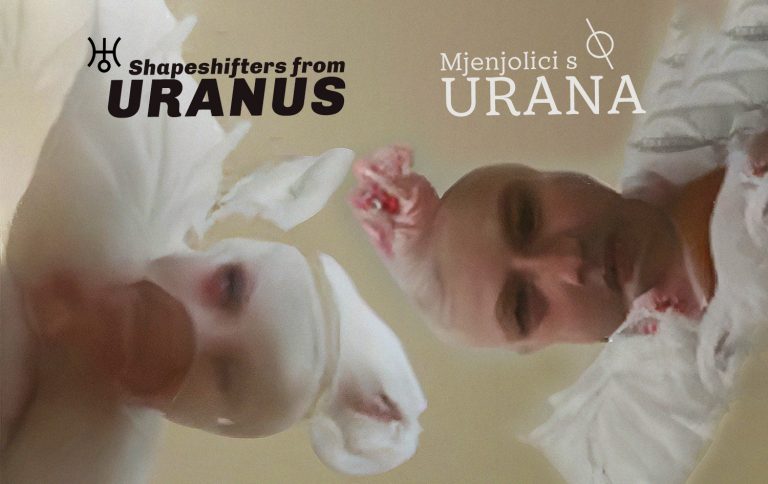
Mjenjolici s Urana predlažu zajednički uron u znanstvenu fantastiku s fokusom na autore koji su već početkom prošlog stoljeća preispitivali kako odnose ljudskog i neljudskog tako i premisu da se bijeli heteroseksualni muškarac (a ne lezbijka iz Ekumena, pas mješanac ili običan kamen) sa svojim tehno-ekstenzijama nalazi u središtu svemira. Želja nam je kroz čitalačku grupu ne samo proširiti imaginarij ‘o budućnosti’ već dovesti u pitanje vrijednosti na kojima se isti temelji. Potičući dijalog u kojem su jedina pravila da je sve što pomislimo (ne)točno te da su svi sugovornici jednako (ne)stručni, Mjenjolici pozivaju da privremeno zamijenimo zaključke opažanjem.
01/03/2020.
Za vrijeme boravka u GMK planiram raditi istraživanje na temu rada i produktivnosti, usavršavanja u svrhu komercijalizacije i konzumacije, te fetišizacije napretka, rasta i brzine. U prostoru ću istraživati relacije i kontraste između aktivnog i pasivnog, imaterijalnog i materijalnog rada, strukture i kaosa koji nastaju kao nusprodukt svakodnevice; polazeći od toga da je ista često uvjetovana učinkovitošću monetizacije našeg djelovanja.
25/10/2019.
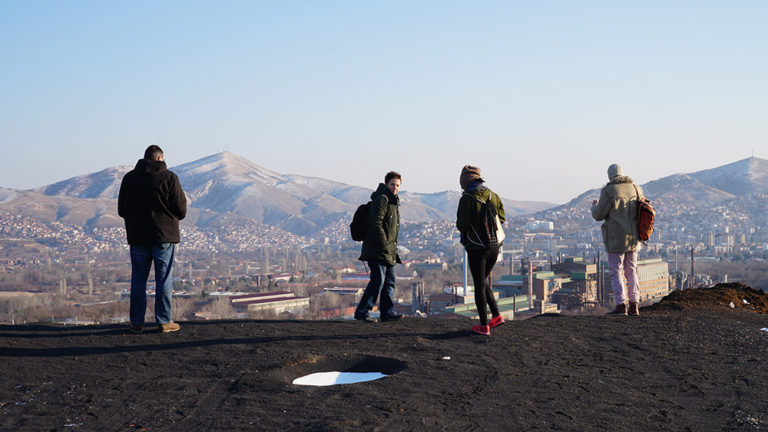
Wa are proud to anounce The Hub of tricks, cheats and love in disquise artists Vienne Chan, Obsessive Possessive Aggression, International Dance Terrorist Organization alongside the curator of the project Marko Gutić Mižimakov are selected for the 2020 PACT Zollverein residency program! Congradulations!

02/09/2019.
The exhibition deals with these topics through reclaiming visual and textual figures of Otherness. Specifically, these positions are thematized through the figures of the witch, the alien, the monster, and the cyborg. Monsters, along with freaks, villains, and perverts, describe just some of the violent insults society levels at LGBTIQ* people, and such associations are also alluded to via queer-coded visual and narrative tropes in film, television, and comics. The alien has been used in both queer theory and creative media, especially by LGBTIQ* people of color, as an allegory for feeling alienated and separated from a heteronormative and white supremacist society. The experience of being the Other, of being outside of or different from heterosexual norms of gender and sexuality, is an experience that unites otherwise disparate experiences within LGBTIQ* communities. For women, especially disabled women and women of colour, this marginalization is further complicated by their position of “Otherness”, in which their experience and contribution are excluded from participation or not considered worth recording. Reclaiming and reconfiguring the tired tropes by which society identifies these groups gives space for both self-identification and resistance to societal norms, while symbolic tropes offer rich ground for reclaimed self-understanding. It is through
