


14/09/2011.
Mnoštvo elemenata njegova rada snažno korespondira s poviješću hrvatske/jugoslavenske afirmacije progresivne visokomodernističke umjetnosti, njenog univerzalizma, s pitanjima oko njene ideološke neutralnosti, kao i s njenim potiskivanjem ili zaboravom tijekom konstituiranja narativa unutar politika novih nacionalnih drzava na ovim prostorima 1990-ih. Dinamike između radova na izložbi i lokanog konteksta u kojem su ovom prilikom predstavljeni tako impliciraju misljenje o subverzivnom potencijalu apstrakcije, ukazujući na kompleksnost odnosa između umjetnosti i idelogije u okvirima modernizacija umjetničkog jezika osobito izvan vladajućeg, zapadnog modernističkog narativa. Problematika Baskijskog modernizma inherentno pritom sadržava i pitanja o tome u kojoj je mjeri njena apstraktna univerzalnost sadrzavala i prikriveni, mitski identitarni idiom. Otxarkoaga (M-L) se bavi sudbinom bisti Marxa i Lenjina koje stanovnici radničke četvrti Otxarkoaga u Bilbau ad hoc prilagođavaju iz bisti za unutrašnji prostor u javne skulpture, nehotično ih pritom čineći formalno bliskima povijesti lokalne minimalne skupture poput one baskijskog umjetnika Jorgea Oteize. Rad Targu Jiu istražuje pak slučaj Brankusijevog Beskonačnog stupa, javne skupture u umjetnikovu rodnom selu u Rumunjskoj, te propituje razloge zbog kojih je taj naizgled posve eteričan, apstraktan spomenik toliko puta bio meta napada. Hernani se bavi slucajem kada zbog zabrane preimenovanja istoimenog parka imenom ubijenog borca ETA-e, policija uklanja sve plakete s njegovim

21/07/2011.
rn rnAsier Mendizabal’s works presented at the exhibition ‘Prizemljeno’ at Galerija Miroslav Kraljevic focus on the historical relations between form and ideology, primarily through analyzing the meanings of abstract utopian universalism and its historical reception. Through different media (sculpture, text, photography and collage), Mendizabal is looking into popular and artistic practices and the configurations surrounding the relations between politics and art in public sculptures, particularly in the politically complex territory of the Basque country. rnThe exhibition at G-MK points to the mechanisms between abstract modernism and ideology and the ways in which the narratives around it are reshaped through the historical and political transformations; becoming, through rehabilitation, a constitutive element in the new political narratives or being erased from the public discourse. Numerous elements of Mendizabal’s practice correspond strongly with the history of Croatian/Yugoslav affirmation of the progressive high modernism, its universalism and the issues surrounding its ideological neutrality, as with the amnesia and suppression in instituting new paradigms in the nation state building in the 1990s. The dynamics between the works in the exhibition and the local context in which they are on this occasion presented, point to rethinking the subversive potential of abstract modernism and the complexities of

14/07/2011.
U suradnji s galerijom Tranzidisplay u Pragu i lokalnim istraživačima, umjetnicima i suradnicima, te na temelju postojećih i novih istraživačkih materijala, stvara se, svakodnevno mijenja i nadopunjuje arhiva projekta u studijskom prostoru galerije. Fokus istraživanja u Pragu su umjetnički fenomeni iz razdoblja 1960-ih i 1970-ih u Čehoslovačkoj, koji su se odvijali izvan sfere neposredne vidljivosti i istraživali međuprostore između akcije i eskapizma, individualnog i kolektivnog, urbane sfere i prirode, neposredne i odgođene publike.
Metodologija istraživanja i njegove prezentacije također se temelji na preispitivanju ideje publike i imperativa neposredne vidljivosti: arhiva se uobličava kroz individualne susrete s umjetnicima, povjesničarima umjetnosti i svjedocima kroz predavanja za jednog slušatelja u kojima se, međutim, uloge predavača i publike stalno destabiliziraju i izmjenjuju.
*Naziv projekta prema nazivu rada Mladena Stilinovića iz 1976.
Koncept: Ivana Bago i Antonia Majača (Institut za trajanje, mjesto i varijable | DeLVe) Glavna suradnica na istraživanju i koordinatorica: Vjera Borozan
Projekt su podržali: Ministarstvo kulture RH, Grad Zagreb - Gradski ured za obrazovanje, kulturu i sport, Tranzitdisplay, Prag
10/06/2011.
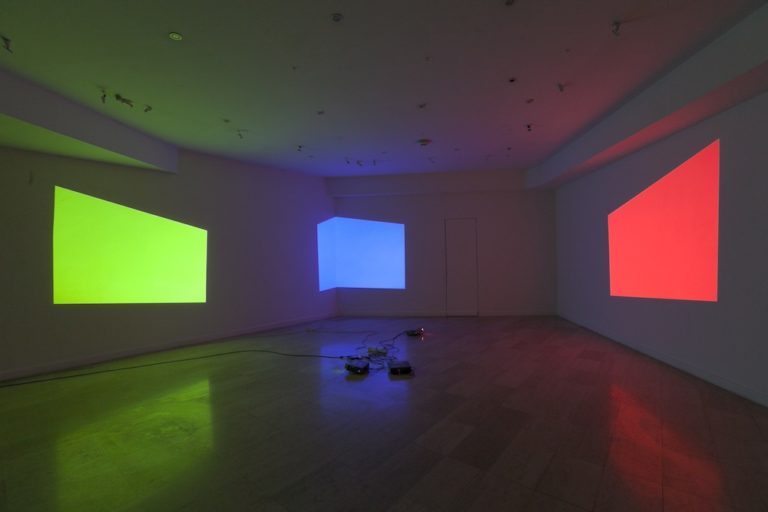
\'The Dystopia Files\' at g-mk is the newest iteration of Mark Tribe\'s ongoing project, which recontextualizes the history of demonstrations in the US. Tribe had gathered an archive of protest footage, which serves as a base for creating site specific video installations in gallery and museum spaces. The work poses the questions about power relations, spectatorship, image manipulation, participation, interaction and political engagement.rnThe relationship between these issues and recent curatorial practices will be discussed during the workshop held by the artist. In a lecture following the workshop, Tribe will present his multimedia artistic practice, including his acknowledged projects such as Rhizome and Port Huron.rnrnrnrnThe exhibition is curated by ®eljka Himbele Kožul.rn rn...rnPhoto credit: Marko ErcegovicrnrnMark Tribe, The Dystopia Filesrn rnPublic protests, demonstrations and rallies on the streets, with their origins going back to the nineteenth century, have historically shown how people, by acting together, gain an active role on the political stage. Getting out on the street presumes claiming a certain territory and occupying places of historical or symbolic connotations. The street becomes a stage for the conception and execution of public events, offering participants the possibility of being present and visible, directly expressing feelings and beliefs and creatively showing resistance and

04/06/2011.
'The Dystopia Files u Galeriji Miroslav Kraljević dio je istoimenog dugoročnog projekta američkog umjetnika Marka Tribea u kojem rekontekstualizira povijest prosvjeda u Sjedinjenim američkim državama. Prikupljeni arhiv snimaka prosvjeda predstavlja bazu za site-specific video instalacije u kojima umjetnik propituje odnose moći, načine gledanja i manipulacije slikom te pitanja interaktivnosti, participacije i mogućnosti angažmana. Ovim će se temama baviti i radionica koju će Mark Tribe održati u okviru svojeg gostovanja, s posebnim naglaskom na kustoske prakse kao formu socijalne produkcije, nakon čega slijedi predavanje gdje će između ostalog predstaviti i svoje dosadašnje projekte, kao što su platforma Rhizome i Port Huron.
Kustosica izložbe je Željka Himbele Kožul.
Molimo sve zainteresirane za sudjelovanje na radionici da se ranije jave na info@g-mk.hr. Veselimo se Vašem dolasku
Mark Tribe (r. 1966.), američki umjetnik, školovao se na Sveučilištu Brown u Providenceu i Kalifornijskom sveučilištu u San Diegu, gdje je 1994. stekao MFA titulu. Njegovi umjetnički projekti uključuju različite medije i tehnologije, a tematski se kreću u polju institucionalne kritike, aktivizma, participacije publike i suradnje te otvaraju pitanja o performativnosti, medijaciji i javnoj sferi. Izlagao je u institucijama kao što su Wexner Center for the Arts u Columbusu, Ohio; LACE (Los Angeles Contemporary Exhibitions); Ronald Feldman
26/04/2011.
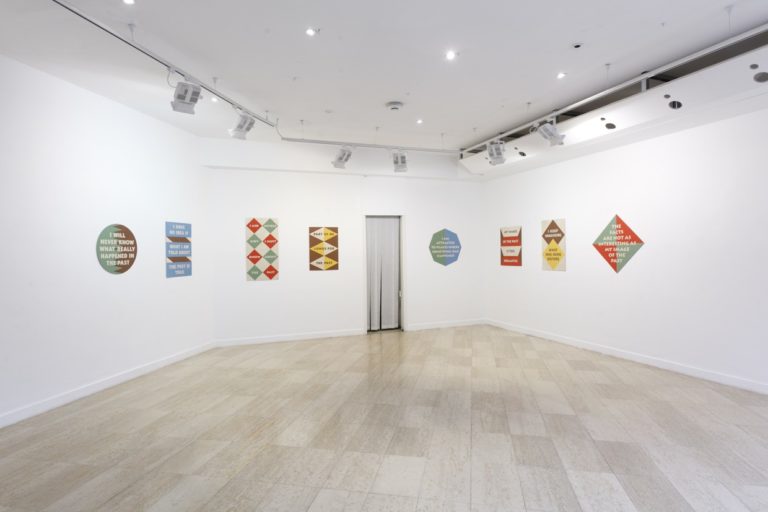
History, understood as a category of human existence, is older than the written word, claims Hannah Arendt in her book “Between Past and Future”. Its origin - not in a historical but a poetic sense - lies in the moment when at the Phoenician court Odysseus listens the story of his own adventures and misadventures, the story of is own life which at that point becomes a “thing” in itself, separated from him, and presented to others as “an object”.1 In other words, it represents a moment in which history is for the first time symbolically objectified, turned into facts which are later confirmed and reaffirmed, repeatedly with each new act of narration, i.e. presentation. Our experience of a certain space, site, or a topos, is inseparable from our knowledge of its past.
Spatial presence of a site is a product of a multitude of macro and micro histories, which can be more or less visible. However, despite the dichotomy between categories of space (the material, visible element) and time, i.e. history (or immaterial and physical elusiveness of time), both are intertwined; neither is the space static, nor the time linear. “Here” is inseparable from “now”; its past and future
